
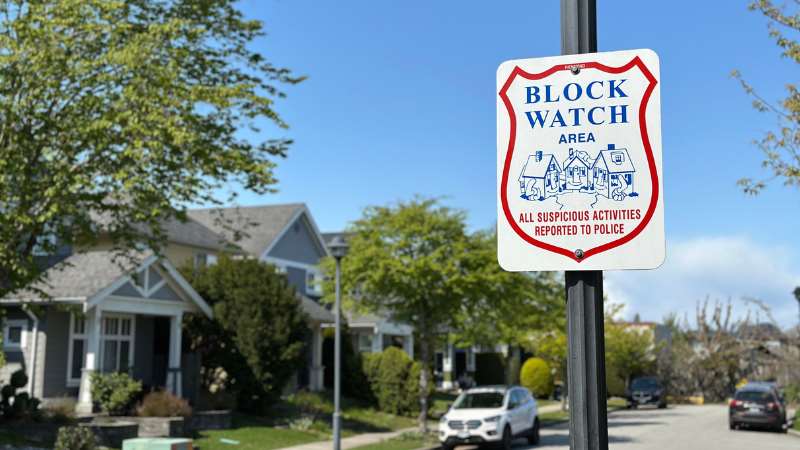
GUELPH, ON — Mayoral candidate Ken Yee Chew is proposing a coordinated Neighbourhood Watch pilot that connects residents, neighbourhood champions, Guelph Police Service and City Bylaw through practical training, clear reporting channels and follow-up on recurring safety concerns.
“Residents shouldn’t have to police their own neighbourhoods with a door camera,” said Chew. “We need more intentional coordination that helps residents feel safe and supported, gets concerns to the right service and supports the professionals responsible for keeping our community safe.”
The proposal is informed by Chew’s experience responding to residents during his tenure as a Ward 6 City Councillor and city planner.
“During my time as a councillor, neighbours have regularly brought community safety concerns to me, while Police and Bylaw receive calls about recurring nuisance issues,” said Chew. “We need to learn from established practices in other Ontario communities and adapt them to Guelph.
As Mayor, I will bring City services, Police and neighbourhood leaders together to strengthen prevention, clarify responsibilities and improve follow-through.”
Putting the pilot into practice
Chew would begin by convening Guelph Police, City Bylaw, relevant City departments and neighbourhood groups to review existing initiatives, identify gaps and develop a pilot with clear responsibilities, costs and evaluation measures.
The proposed implementation would:
- Select participating neighbourhoods: Invite expressions of interest and identify a manageable number of pilot locations based on resident participation, recurring concerns and available resources.
- Train neighbourhood champions: Recruit volunteers to connect neighbours and share verified information, with training on crime prevention, reporting, privacy and personal safety.
- Establish a City coordination contact: Propose a designated contact to organize check-ins, connect neighbourhoods with existing services and route recurring concerns to the appropriate department. Staffing and resource requirements would be brought forward for review.
- Conduct neighbourhood safety walkabouts: Bring residents and appropriate staff together to identify lighting gaps, obstructed sightlines, landscaping and maintenance concerns. Recommendations would go to the responsible service, with costs considered through existing maintenance and budget processes.
- Provide regular follow-up: Establish scheduled neighbourhood check-ins to review recurring concerns, actions taken and outstanding items, while respecting privacy and ongoing investigations.
- Evaluate before expanding: Report publicly after the pilot’s first year on costs, participation, resident feedback and progress in addressing recurring concerns before Council considers expansion.
Emergencies and suspected criminal activity would still continue to be reported directly to Police. Volunteers would observe, report and help neighbours access information, with no enforcement and intervention role that would jeopardize personal safety.
“Residents need to see how this will work on their street,” said Chew. “That means trained neighbourhood contacts, clear reporting instructions, regular opportunities to raise concerns and follow-through from the responsible service. We will start with a manageable pilot, measure the results and use what we learn to guide the next steps.”
Getting concerns to the right service
The pilot would help residents distinguish between emergencies, non-emergency Police matters, bylaw concerns and requests for City maintenance. More intentional coordination would aim to reduce avoidable demands on Police while improving access to the appropriate response.
“A property maintenance or noise concern may need Bylaw, a lighting issue may need City staff, and suspected criminal activity needs Police,” said Chew. “Clear responsibilities can help residents get the right response and allow each service to focus on its work.”
The proposal would draw on Ontario examples. In Mississauga, Neighbourhood Watch combines volunteer training, neighbourhood communication and safety assessments through Safe City Mississauga’s partnership with Peel Regional Police and municipal support. In east Ottawa, neighbourhood associations have brought Police, municipal Bylaw and transit safety representatives together through Neighbourhood Watch meetings to discuss local concerns.
Designing and maintaining safer public spaces
The pilot would incorporate Crime Prevention Through Environmental Design (CPTED) principles, building on existing Guelph Police assessment services and City design practices.
“As Mayor, I will make neighbourhood safety a priority across City services,” said Chew. The approach would emphasize creating “eyes on the street” through everyday activity and natural visibility from homes, businesses, sidewalks and public spaces.
“Welcoming streets and parks help people feel comfortable spending time outside and connecting with their neighbours,” said Chew. “Thoughtful design, strong community relationships and responsive public services need to work together.”
“Public safety requires prevention, appropriate enforcement and pathways to care,” said Chew. “As Mayor, I will take a greater leadership role in bringing those efforts together, with clear responsibilities and accountability for results.”
Media Contact
connect@chewforguelph.ca